30 Everyday Paper Objects You Never Notice
By Ephemera Crafts Atelier
•
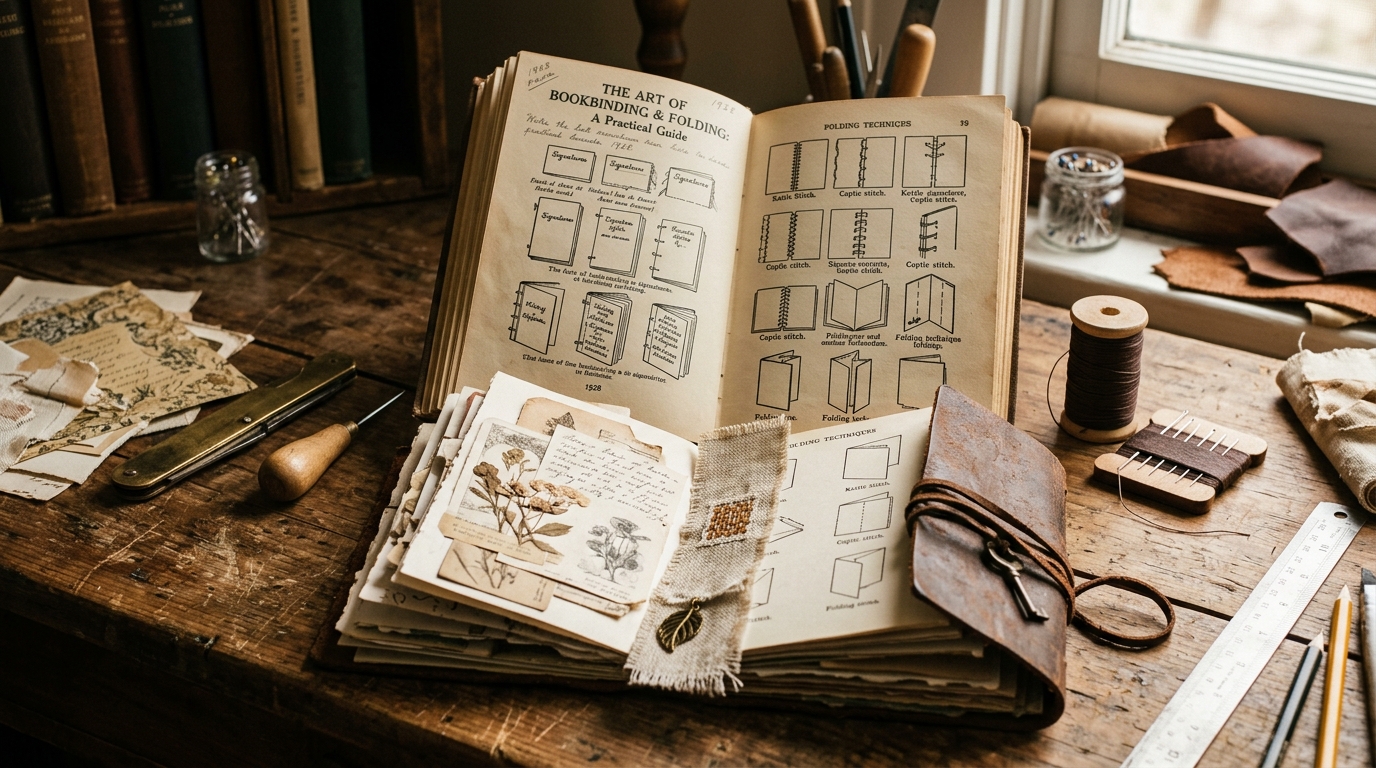
You are surrounded by ephemera every day. Most of it goes in the bin before you have read it.
Ephemera sounds like a museum word. In practice, it is the paper in your pocket: the receipt you forgot, the ticket you kept because the queue was long, the label from a jar you liked. These objects are designed to be ignored, which is exactly what makes them honest records. Here are thirty you probably saw today — and what each one quietly preserves.
## In your pockets and bag
1. **Receipts** — prices, shop names, dates, and the small economics of a day;
2. **Bus and train tickets** — routes, fares, timestamps, the shape of a commute;
3. **Parking tickets and toll slips** — evidence of a journey, often with a location printed on them;
4. **Boarding passes** — a person, a destination, a day, reduced to a rectangle;
5. **Luggage tags** — names, addresses, airline codes, the optimism of travel;
6. **Cinema and concert tickets** — an evening, a seat number, a performance that no longer exists;
7. **Museum and gallery tickets** — culture as a small printed stub;
8. **Loyalty cards and stamps** — habits, repeated purchases, small rewards.
## On the kitchen table
1. **Takeaway menus** — local businesses, prices, typography, the food of a neighbourhood;
2. **Sugar and tea packets** — branding in miniature, often beautiful;
3. **Jar and bottle labels** — design history, ingredients, origin;
4. **Wine and beer labels** — illustration, typography and the theatre of packaging;
5. **Food wrappers** — the most disposable paper of all, and the most evocative;
6. **Bakery bags and paper bags** — shop names, logos, grease stains as accidental patina.
## In the post and on the desk
1. **Envelopes with windows** — the architecture of official mail;
2. **Stamps and postmarks** — country, date, sorting office, a journey in ink;
3. **Courier slips** — tracking numbers, barcodes, the logistics of ordinary life;
4. **Business cards** — a person's name and trade in a pocket-sized format;
5. **Appointment cards** — dentists, doctors, haircuts; the calendar of the body;
6. **Prescription bags and pharmacy labels** — health, dates, instructions (handle with privacy care);
7. **Library slips and due-date cards** — reading history, institutional design;
8. **Dry-cleaning tags** — the invisible infrastructure of keeping clothes.
## On the street and in shops
1. **Flyers and handbills** — local events, lost cats, opening nights;
2. **Posters and small ads** — the visual language of a neighbourhood at a moment in time;
3. **Sale signs and price tags** — retail design, discounts, the economy of a season;
4. **Exhibition guides and maps** — a place as it wanted to be seen;
5. **Hotel key-card sleeves** — a stay, a room number, a city;
6. **Menus and place cards** — hospitality, occasion, formality;
7. **Event programmes** — casts, line-ups, sponsors, the shape of an evening;
8. **Clothing labels and care tags** — fashion history, materials, manufacture.
> **Why these matter:** Museums and archives actively collect everyday ephemera because it documents what official records leave out: prices, habits, local businesses, design, language. Your receipt is a tiny primary source.
## How to notice more of it
Keep a small "paper pocket" — an envelope in your bag or a tray on your desk — and drop in anything that catches your eye for a week. Do not judge; just collect. At the end of the week, sort the pile into three groups: **keep as is**, **scan and recycle**, **use in a journal**. You will be surprised how much of your life is documented in paper you were about to throw away.
## Turning the everyday into journal material
* **Date it:** write the date and one line of context on the back — future you will not remember what the receipt was for;
* **Pair it:** a ticket with a photo, a menu with a note about the meal, a label with a colour swatch;
* **Layer it:** use the receipt as a background strip under a tag; the print becomes texture;
* **Keep privacy:** cover card numbers, addresses and medical details before using anything personal;
* **Scan the fragile:** thermal receipts fade; photograph them early if the information matters.
This is the same instinct that built the great ephemera collections: nothing was considered important at the time. The paper survived because someone paused. Start pausing, and your journals will fill with a documentary texture that no printable kit can imitate — because it is actually yours.
---
*Go deeper: <a href="/blog/what-is-ephemera/">what ephemera is</a> · <a href="/blog/paper-witnesses-transit-tickets/">transit tickets as city records</a> · <a href="/blog/paper-time-capsule/">the paper time capsule</a>.*